
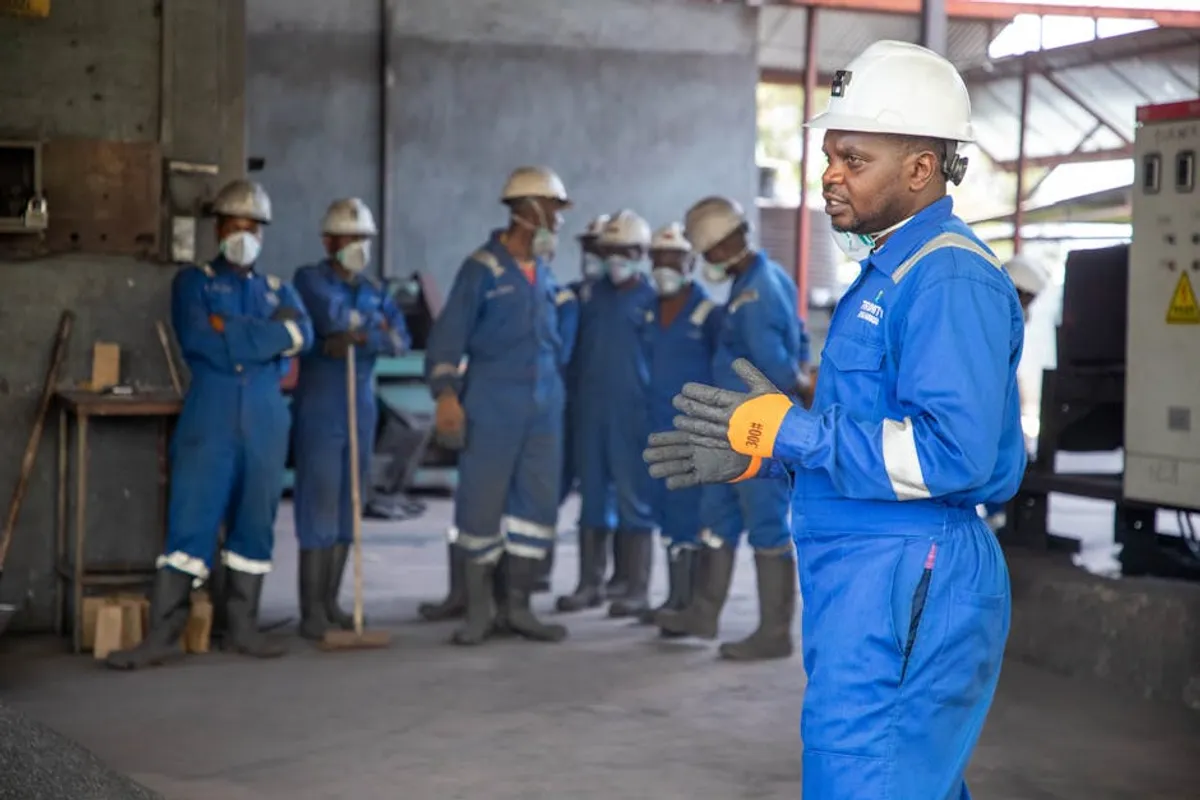
Workplace safety training is not merely a regulatory checkbox; it is a critical investment in employee well-being, operational continuity, and financial stability. Businesses face significant legal and financial repercussions from workplace incidents, ranging from direct costs like medical expenses and workers' compensation claims to indirect costs such as lost productivity, equipment damage, and reputational harm. Effective safety training mitigates these risks by equipping employees with the knowledge and skills to prevent accidents and respond appropriately to emergencies. For organizations seeking to implement or enhance their safety protocols, understanding the essential topics to cover through scalable, consistent video training is paramount. This approach ensures uniform instruction, accommodates diverse learning paces, and provides a documented record of compliance efforts.
Foundational Workplace Safety Protocols
Every workplace, regardless of industry, shares a common set of fundamental safety requirements. Addressing these topics through video training establishes a baseline of awareness and preventive practices for all employees.
Slips, Trips, and Falls Prevention
These incidents consistently rank among the leading causes of workplace injuries, often resulting in sprains, fractures, and head trauma. Training videos on this subject should detail environmental hazards like wet floors, uneven surfaces, and cluttered walkways. Specific instruction must cover proper footwear requirements, the importance of immediate spill cleanup, clear aisle maintenance, and safe ladder usage. Emphasizing proactive identification and reporting of hazards empowers employees to contribute to a safer environment.
Fire Safety and Emergency Evacuation
A structured response to fire emergencies is non-negotiable. Training must cover the proper use of fire extinguishers (e.g., the PASS method), understanding different classes of fires, and identifying potential ignition sources. Crucially, videos should detail emergency evacuation routes, assembly points, and the clear roles and responsibilities of designated personnel. Regular refreshers on these procedures are vital to ensure muscle memory during a crisis.
Electrical Safety Awareness
Unsafe electrical practices can lead to shocks, burns, and fires. This training segment should educate employees on identifying damaged cords, avoiding overloaded circuits, and understanding lockout/tagout (LOTO) procedures for equipment maintenance. It must also differentiate between qualified and unqualified personnel for electrical work, reinforcing the principle that only authorized individuals should handle repairs or modifications.
General Housekeeping and Organization
While seemingly basic, poor housekeeping contributes to numerous incidents. Videos should illustrate the importance of maintaining clean and organized workstations, proper waste disposal, and secure storage of materials. This topic reinforces the concept that a tidy workspace is a safer workspace, reducing trip hazards and improving overall operational efficiency.
Emergency Preparedness and Response
Beyond preventing incidents, workplaces must prepare for unforeseen emergencies. Training in these areas focuses on rapid, effective responses to minimize harm and facilitate recovery.
First Aid and Cardiopulmonary Resuscitation (CPR)
Having trained personnel capable of administering immediate first aid or CPR can be life-saving. While hands-on certification is essential, video training can effectively cover the recognition of common injuries and medical emergencies (e.g., choking, heart attack, severe bleeding) and the initial steps to take before professional medical help arrives. This includes calling emergency services and providing clear, concise information.
Active Threat Response
In today's environment, preparing for active threats is a somber necessity. Training videos on this topic should present actionable strategies such as "Run, Hide, Fight," tailored to the specific workplace layout. The focus must be on empowering employees with options and a clear understanding of what to do to protect themselves and others, always prioritizing self-preservation while awaiting law enforcement.
Pro Tip: Generic safety training videos provide a valuable baseline, but customizing content to reflect your specific workplace environment, equipment, and industry-specific hazards significantly enhances effectiveness. Integrate site-specific photos, facility maps, and examples directly relevant to your employees' daily tasks to maximize engagement and practical application.
Hazard-Specific and Industry-Specific Training
Many workplaces have unique hazards requiring specialized training. These topics are often dictated by industry regulations and the specific machinery, chemicals, or processes involved.
Hazard Communication (HAZCOM)
For any workplace using hazardous chemicals, HAZCOM training is mandated. Videos must explain the Globally Harmonized System (GHS) for classifying and labeling chemicals, how to read Safety Data Sheets (SDS), and the proper procedures for safe handling, storage, and disposal of hazardous materials. This ensures employees understand the risks associated with substances they encounter.
Machine Guarding and Lockout/Tagout (LOTO)
Workplaces with machinery must train employees on the purpose and function of machine guards and the critical LOTO procedures. This prevents injuries from unexpected machine startup or release of stored energy during maintenance or servicing. Videos should demonstrate correct LOTO application, verification steps, and safe removal procedures.
Confined Space Entry
Entry into confined spaces (e.g., tanks, silos, vaults) presents severe risks, including asphyxiation, engulfment, and exposure to hazardous atmospheres. Training must cover permit-required confined space procedures, atmospheric monitoring, ventilation, rescue plans, and the roles of authorized entrants, attendants, and entry supervisors. This is a highly regulated area where video can reinforce complex protocols.
Ergonomics and Employee Well-being
Safety extends beyond immediate hazards to long-term health and psychological well-being. Proactive training in these areas reduces chronic injuries and fosters a healthier work culture.
Proper Lifting Techniques
Musculoskeletal disorders (MSDs) are common, often resulting from improper lifting. Videos should demonstrate correct body mechanics for lifting, carrying, and lowering objects, emphasizing the use of legs, maintaining a straight back, and seeking assistance for heavy or awkward loads. This prevents strains, sprains, and chronic back pain.
Workstation Ergonomics
For office and desk-based employees, ergonomic training is crucial. Videos can guide employees through proper workstation setup, including chair adjustment, monitor placement, keyboard and mouse positioning, and the importance of regular breaks and stretching. This reduces the risk of repetitive strain injuries and improves comfort and productivity.
Workplace Violence Prevention
Addressing workplace violence involves training on recognizing warning signs, de-escalation techniques, and reporting procedures. Videos can provide scenarios and appropriate responses, helping employees understand their role in maintaining a respectful and safe environment, and when and how to seek help.
Compliance and Regulatory Training
Many safety topics are not just good practice but are legally required by regulatory bodies. Video training provides a consistent and auditable method for delivering this essential information.
OSHA Compliance Overview
For businesses in the United States, an overview of Occupational Safety and Health Administration (OSHA) regulations is fundamental. While specific standards vary by industry, general training can cover employee rights, employer responsibilities, and the importance of reporting hazards. This ensures a basic understanding of the regulatory framework governing workplace safety.
Harassment and Discrimination Prevention
Creating a respectful and inclusive workplace is a safety imperative. Training videos should define different forms of harassment and discrimination, outline company policies, and detail reporting mechanisms. This helps foster an environment where all employees feel safe and valued, reducing psychological stress and potential legal liabilities.
Establishing a Robust Safety Training Program
Implementing a comprehensive safety training video program requires strategic planning and ongoing commitment. Begin by conducting a thorough hazard assessment specific to your operations and facility. This identifies the most pertinent risks and dictates which training topics are critical. Next, select or develop video content that is engaging, clear, and directly applicable to your workforce. Ensure the content is regularly reviewed and updated to reflect changes in regulations, equipment, or operational procedures. Finally, establish a robust system for tracking completion rates, assessing comprehension, and scheduling refresher courses. A proactive, well-documented training regimen not only protects employees but also demonstrates due diligence, safeguarding the organization's long-term viability.
Frequently Asked Questions About Safety Training Videos
How often should safety training videos be updated or refreshed?
Safety training content should be reviewed and updated annually, or whenever there are significant changes in regulations, equipment, processes, or incident trends within the workplace. Refresher training for employees is typically recommended every one to three years, depending on the topic's criticality and regulatory requirements.
Can safety training videos replace hands-on training?
While videos are excellent for conveying information, demonstrating procedures, and ensuring consistency, they generally do not replace hands-on, practical training for tasks requiring physical skill or immediate response (e.g., operating machinery, CPR, fire extinguisher use). The most effective programs combine video instruction with practical exercises and supervised application.
How can we ensure employees actually watch and understand the training videos?
Implement tracking mechanisms that record completion, and follow up with quizzes or assessments to gauge comprehension. Make the training mandatory, integrate it into onboarding, and emphasize its importance through management messaging. Ensure videos are concise, engaging, and relevant to employees' daily tasks.
What are the benefits of using videos for safety training compared to live instruction?
Videos offer consistency in messaging, allowing all employees to receive the same information regardless of instructor. They are scalable, making it easier to train large or geographically dispersed workforces. Videos also allow employees to learn at their own pace, pause, and rewatch sections, and provide a documented record of training completion for compliance purposes.