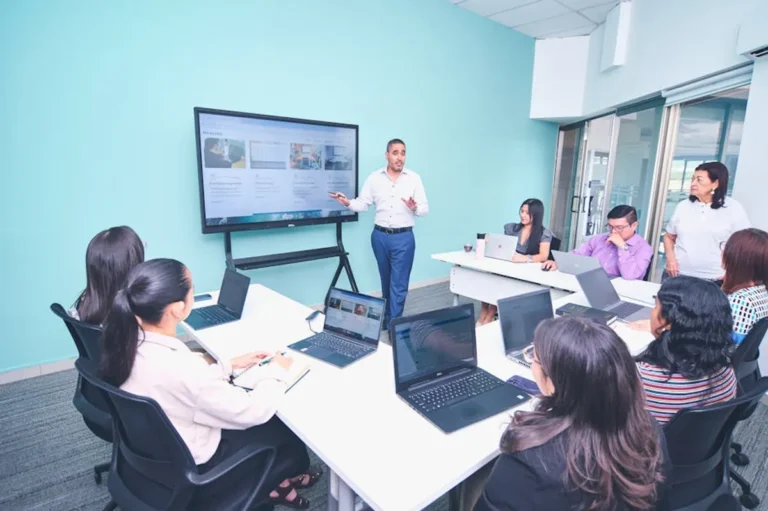

Effective training moves beyond passive information delivery, aiming instead for practical skill acquisition and behavioral change. Roleplay and scenario-based learning are fundamental approaches to achieve this, providing a controlled environment for individuals to practice, make mistakes, and receive targeted feedback without real-world consequences. This method is not merely an educational tool; it is a strategic investment in workforce capability, directly impacting performance, decision-making, and organizational resilience. Understanding how to design and implement these techniques ensures that training translates directly into improved on-the-job effectiveness and measurable commercial benefits.
Why Roleplay and Scenarios Drive Skill Transfer
The core value of roleplay and scenarios lies in their ability to bridge the gap between theoretical knowledge and practical application. Traditional training often fails because it over-relies on lectures or static content, which activate only a fraction of the learning process. Roleplay, by contrast, demands active participation and engagement, forcing trainees to apply concepts in dynamic, simulated environments. This active engagement enhances memory retention and deepens understanding of complex situations.
Participants develop critical thinking skills as they navigate unforeseen challenges within a scenario, rather than simply recalling facts. The safe, simulated setting reduces the anxiety associated with real-world failure, encouraging experimentation and fostering a growth mindset. Furthermore, the immediate, constructive feedback inherent in well-structured roleplay allows for rapid correction of misconceptions and refinement of techniques, leading to more robust skill development that directly translates to improved performance in actual work contexts.
Designing Impactful Training Scenarios
Creating scenarios that genuinely challenge and educate requires deliberate planning, focusing on realism and clear learning objectives. The effectiveness of a roleplay hinges on how well it mirrors the complexities and pressures of actual work situations.
Define Specific Learning Objectives
Before constructing any scenario, identify the precise skills or behaviors the training aims to develop. Vague objectives lead to unfocused roleplay. For example, instead of "improve communication," aim for "effectively de-escalate customer complaints using active listening and empathetic responses." This specificity guides scenario design and feedback criteria.
Develop Realistic Contexts and Characters
Scenarios must be grounded in the trainees' real work environment. Use actual departmental procedures, common customer profiles, or typical internal conflicts. Create character briefs for participants, detailing their motivations, objectives, and any relevant background information. This depth helps participants fully immerse themselves and react authentically to the situation.
Integrate Decision Points and Consequences
Effective scenarios are not linear; they present choices that lead to different outcomes. Design branching paths where a trainee's decision directly influences the subsequent events, mimicking real-world cause and effect. This emphasizes accountability and the impact of their actions. Include metrics or observable behaviors that indicate success or areas for improvement, providing a tangible basis for debriefing.
Pro Tip: Avoid scenarios that are either too simplistic or overly complex. Simplistic scenarios fail to challenge and engage, while overly complex ones can overwhelm participants and obscure the core learning objectives. Aim for a "just right" level of challenge that pushes trainees without causing frustration or disengagement.
Implementing Roleplay Sessions for Maximum Engagement
Execution is as critical as design. A well-designed scenario can falter without thoughtful implementation and facilitation.
Thorough Preparation and Briefing
Provide participants with all necessary background information before the session. This includes scenario details, character roles, and the specific learning objectives. Clearly outline expectations for participation and confidentiality. Establish ground rules for respectful interaction and constructive feedback to create a safe learning environment.
Skilled Facilitation and Observation
The facilitator's role is to guide the session, ensure adherence to the scenario, and intervene only when necessary to keep the roleplay on track or to highlight a critical moment. During the roleplay, facilitators and observers should meticulously document specific behaviors, verbal cues, and decision points. This detailed observation forms the basis for targeted feedback.
Structured Debriefing and Feedback
This is arguably the most crucial phase. A structured debrief allows participants to reflect on their performance, understand the impact of their actions, and learn from their peers. Encourage self-assessment first, followed by peer feedback, and finally, facilitator insights. Focus feedback on specific behaviors rather than personal traits, linking observations directly to the learning objectives. Ask open-ended questions to stimulate critical thinking and discussion.
Practical Applications of Scenario-Based Training
Roleplay and scenarios are versatile tools applicable across various training needs:
- Customer Service Excellence: Simulating difficult customer interactions, handling complaints, upselling, or managing service recovery. This builds empathy and teaches de-escalation techniques.
- Sales Acumen: Practicing objection handling, closing techniques, product demonstrations, or navigating complex client negotiations.
- Leadership Development: Engaging in scenarios involving performance reviews, conflict resolution between team members, delegation challenges, or delivering difficult news.
- Crisis Management: Simulating emergency responses, public relations crises, or cybersecurity breaches to test protocols and decision-making under pressure.
- Compliance and Ethics: Practicing responses to ethical dilemmas, identifying potential compliance violations, or navigating sensitive workplace situations.
- Team Collaboration: Working through project planning challenges, cross-functional communication breakdowns, or resource allocation conflicts.
Optimizing Training Outcomes with Roleplay and Scenarios
To maximize the commercial return on investment from roleplay and scenario training, integrate it into a continuous learning framework. Regularly update scenarios to reflect current business challenges, market shifts, and evolving customer needs. Collect feedback not only on the training itself but also on the observable changes in on-the-job performance. Use this data to refine future scenarios and ensure ongoing relevance. By consistently applying and refining these dynamic training methods, organizations can cultivate a highly skilled, adaptable workforce capable of navigating complex business environments with confidence and competence.
Frequently Asked Questions
How long should a typical roleplay session last?
The duration varies significantly based on complexity and learning objectives. A short, focused scenario might take 10-15 minutes for the roleplay itself, followed by 20-30 minutes for debriefing. More complex, multi-stage scenarios could extend to an hour or more, with debriefing tailored accordingly. Prioritize thorough debriefing over extending the roleplay itself.
What if participants are reluctant to engage in roleplay?
Address reluctance by clearly explaining the benefits and creating a safe, non-judgmental environment. Start with simpler, less intimidating scenarios. Allow participants to observe first, or assign them roles as observers before active participation. Emphasize that the goal is learning and practice, not perfect performance, and ensure all feedback is constructive and focused on behavior.
Can roleplay and scenarios be effectively used for virtual training?
Yes, virtual platforms offer robust features for roleplay. Breakout rooms facilitate small group interactions, while video conferencing allows for observation and recording. Digital tools can manage scenario branching and provide resources to participants. Clear virtual facilitation guidelines and strong technical support are crucial for success.
How do I ensure scenarios remain realistic and relevant?
Regularly consult with subject matter experts, front-line employees, and management to gather insights on current challenges, common issues, and emerging trends. Incorporate real-world examples, anonymized case studies, and actual company data into scenario development. Periodically review and update scenarios to reflect changes in policy, technology, or market conditions.